As the world moves toward cleaner, more efficient, and environmentally responsible energy sources, coconut charcoal has emerged as one of the most important renewable fuel options on the global stage. the concept global coconut charcoal export boosting green market growth reflects this shift, illustrating how the international demand for coconut-based charcoal is driving sustainable innovation, strengthening eco-friendly industries, and shaping the future of the green energy market.
A Renewable Fuel With Rising Global Influence
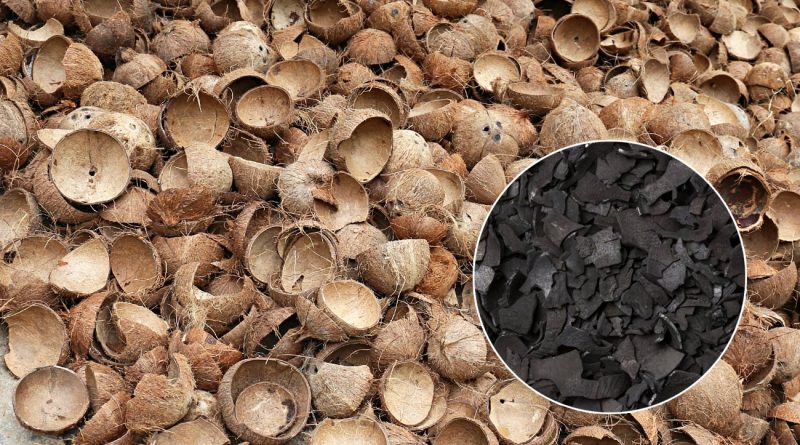
Coconut charcoal is produced from coconut shells—an abundant agricultural by-product generated in millions of tons every year. Instead of being discarded or burned as waste, these shells are transformed into a high-performance, high-value fuel. This conversion process not only reduces environmental pollution but also promotes responsible resource utilization.
Because coconut charcoal does not require cutting down trees, it presents a more sustainable alternative to traditional wood charcoal. By relying on agricultural waste rather than forest resources, global coconut charcoal production helps reduce deforestation and protect natural ecosystems. This aligns with international environmental goals and appeals strongly to eco-conscious markets.
Clean-Burning Performance That Meets Modern Standards
Export-quality coconut charcoal is known for its clean-burning properties: low smoke, low ash, and high heat. These characteristics make it ideal for a variety of uses, including BBQ, grilling, and shisha. International consumers increasingly prefer coconut charcoal due to its consistent performance and eco-friendly profile.
Industries and households benefit from:
-
Longer burn time
-
Stable, high heat output
-
Minimal ash residue
-
Cleaner and safer combustion
As global environmental regulations become more strict, the demand for clean-burning fuel continues to grow. Coconut charcoal meets these standards, making it one of the most sought-after biomass fuels in today’s green energy movement.
Fueling Growth in the Green Market
The phrase global coconut charcoal export boosting green market growth captures the significant role this renewable fuel plays in shaping eco-friendly industries worldwide. Countries across the Middle East, Europe, Asia, and the United States are increasing their imports of coconut charcoal due to its performance, sustainability, and regulatory compliance.
International buyers value coconut charcoal for its:
-
Low emission levels
-
Consistent quality standards
-
Sustainability certifications
-
Use of renewable raw materials
This growing demand stimulates the global green market, encouraging producers to improve their manufacturing processes, adopt cleaner technologies, and maintain strict quality control. As a result, the industry continues to innovate, bringing more eco-friendly fuel alternatives into the international marketplace.
Strengthening Rural Economies and Local Communities
Beyond environmental benefits, the coconut charcoal export industry has a strong economic impact on producing countries. Regions with abundant coconut agriculture—such as Indonesia, the Philippines, and Sri Lanka—benefit from job creation and new business opportunities.
The industry supports:
-
Farmers who supply coconut shells
-
Shell collectors and processors
-
Briquette makers and factory workers
-
Small and medium-sized enterprises (SMEs)
-
Exporters and logistic providers
By transforming agricultural waste into a high-value export product, communities gain sustainable income sources and long-term economic resilience. This creates a positive cycle where environmental protection and economic development go hand in hand.
A Key Player in the Future of Renewable Energy
As more nations adopt cleaner energy policies and promote greener supply chains, coconut charcoal is expected to play an even larger role in global sustainability efforts. Its renewability, efficiency, and compatibility with international environmental standards make it a standout product in the transition toward eco-friendly energy.
The continued rise of global coconut charcoal export and coconut charcoal briquette export represents more than just market expansion—it symbolizes a global commitment to cleaner living, responsible resource use, and sustainable economic development.
The keyword global coconut charcoal export boosting green market growth reflects a movement where renewable fuels not only meet energy needs but also support climate goals and strengthen green markets around the world.