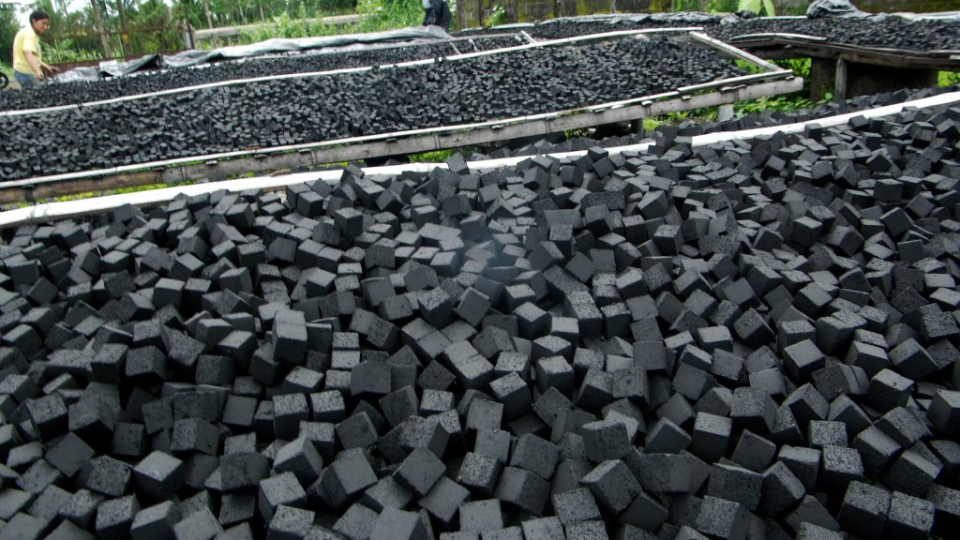
As the global shift toward cleaner, more efficient, and environmentally responsible energy sources accelerates, coconut charcoal briquette export powering sustainability becomes an increasingly relevant concept. Coconut charcoal briquettes—especially high-quality coconut shell charcoal briquette products—are now recognized as some of the most influential renewable fuel solutions in international markets.
They help reduce carbon emissions, improve energy efficiency, and support sustainable economic development while meeting the rising worldwide demand for green energy solutions.
A Renewable Fuel That Supports Environmental Goals
Coconut charcoal briquettes are made from coconut shells—an abundant agricultural by-product that would otherwise be discarded. By turning unused shells into high-value fuel, the industry helps reduce pollution and supports responsible resource use. Because production does not require cutting trees, these briquettes also help limit deforestation, making them a strong example of renewable biomass replacing traditional wood charcoal.
Their clean-burning qualities—low smoke, low ash, and strong heat—make coconut charcoal briquettes a top choice for eco-conscious consumers, especially in export markets with strict environmental standards. As global regulations encourage greener fuel options, coconut charcoal is increasingly recognized as an energy source that supports long-term sustainability goals.
High Performance for Global Cooking and Heating Needs
One of the main reasons coconut charcoal briquette exports are rising is their superior performance. Export-quality briquettes are known for their long burn time, stable temperature, and consistent heat output. These characteristics make them ideal for shisha lounges, international BBQ markets, restaurants, and households that require reliable and clean energy.
Compared to traditional charcoal, coconut briquettes produce significantly less smoke and odor, making them suitable for indoor and commercial use. Their minimal ash residue also supports cleaner cooking environments and reduces maintenance time. With better efficiency and longer usage per piece, these briquettes help reduce overall fuel consumption—another important factor in global environmental sustainability.
Expanding Global Market Demand
Countries across the Middle East, Europe, the United States, and Asia continue to increase their import volumes of coconut charcoal briquettes. This rising demand reflects the global transition toward more sustainable and renewable energy sources. Many international buyers prefer coconut charcoal because it meets modern energy standards, such as:
-
Low emission levels
-
Consistent quality
-
Sustainability certification
-
Renewable raw materials
Exporters who supply premium coconut charcoal briquettes contribute directly to the development of a greener global marketplace. By maintaining strict production standards—from raw material selection to carbonization and shaping—they help fulfill the expectations of eco-focused consumers and international regulations.
Supporting Local Economies and Rural Communities
Coconut Charcoal Briquette Export Powering Sustainability does not only describe environmental benefits—it also reflects the social and economic impact on producing countries. The industry creates thousands of jobs in rural areas, especially in regions where coconut agriculture is abundant. Farmers, shell collectors, laborers, and small-scale producers all benefit from the expanding briquette market.
By turning agricultural waste into a valuable export product, communities gain new sources of income and long-term economic resilience. Local industries grow, SMEs expand, and more opportunities are created for sustainable business development. This combination of environmental and economic contributions demonstrates how renewable energy products can power both sustainability and prosperity.
A Climate-Friendly Fuel for a Greener Future
At its core, the rise of coconut charcoal briquette exports shows a global move toward cleaner and more responsible energy. These briquettes help cut fossil-fuel use, reduce deforestation, and lower emissions. Their efficient burn gives households and businesses strong heat with less fuel.
As more countries shift to green energy, coconut briquettes will remain essential in the renewable-fuel market. Jacoid supports this transition by supplying export-grade briquettes that meet modern sustainability demands. The phrase coconut charcoal briquette export powering sustainability reflects the push toward a cleaner world driven by natural resources and improved production practices.