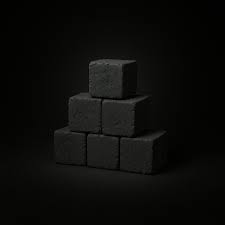
Making Coconut Charcoal Complete Production Guide
Making coconut charcoal requires careful selection of raw materials and controlled production methods. This process ensures durable briquettes with consistent heat and minimal smoke. Moreover, understanding each stage helps buyers choose high quality charcoal confidently.
Raw Material Selection in Making Coconut Charcoal
First, producers collect mature coconut shells with high density. Dense shells create stronger charcoal with longer burning performance. Therefore, raw material quality directly affects final briquette strength.
Next, workers clean the shells thoroughly before processing. This step removes dirt, fibers, and unwanted residues. As a result, the charcoal burns cleaner and produces less smoke.
After cleaning, the shells must dry completely under sunlight or controlled heat. Proper drying reduces internal moisture significantly. Consequently, the carbonization stage becomes more efficient and stable.
Carbonization Stage in Making Coconut Charcoal
Carbonization is the core stage in making coconut charcoal. Producers place dried shells inside a kiln with limited oxygen supply. Then, they control temperature carefully throughout the process.
During heating, volatile compounds evaporate gradually from the shells. As a result, high carbon charcoal forms inside the chamber. This method produces stronger and longer lasting fuel compared to regular wood charcoal.
Additionally, controlled carbonization prevents cracking and uneven burning. Therefore, the final charcoal maintains consistent density and structure.
Grinding and Shaping After Making Coconut Charcoal
Once carbonization finishes, producers crush the charcoal into fine powder. Uniform grinding ensures better compression during briquette formation. Consequently, the final product achieves consistent shape and density.
Next, workers mix the powder with natural binding agents. Then, they press the mixture into molds under high pressure. This process creates uniform briquettes suitable for BBQ and shisha use.
Uniform briquettes distribute heat evenly during cooking sessions. In addition, they reduce ash production and simplify handling. As a result, users enjoy cleaner and more efficient grilling experiences.
Quality Control in Making Coconut Charcoal
Quality control plays an essential role in ensuring consistent product standards and reliable performance.Producers check moisture content, hardness, and density for every batch. Therefore, each briquette meets performance expectations consistently.
Furthermore, proper testing ensures stable heat output and minimal smoke. Consistent quality increases customer satisfaction significantly. Consequently, buyers trust reliable suppliers for long term cooperation.
Advantages of Producing Briquettes from Coconut Waste Shells
Making coconut charcoal offers strong environmental advantages. Coconut shells are renewable agricultural waste materials. Therefore, this production method reduces dependence on hardwood sources.
Additionally, coconut charcoal burns longer than traditional charcoal. It produces steady heat and minimal odor. For detailed insights, you can visit making charcoal from coconut shell.
Moreover, buyers can explore more cooking tips and product information at Doyan Masak. The website provides helpful guides, product details, and purchasing options.
Conclusion
Overall, making coconut charcoal involves careful raw material selection, controlled carbonization, and precise shaping techniques. Furthermore, in addition, as a result, therefore, and consequently, each stage ensures high quality briquettes with consistent and reliable performance.
Because of its durability and eco friendly production,becomes an excellent choice for BBQ, shisha, and outdoor cooking. Therefore, choosing well produced guarantees reliable heat, cleaner grilling, and better cooking results.







Leave a Reply