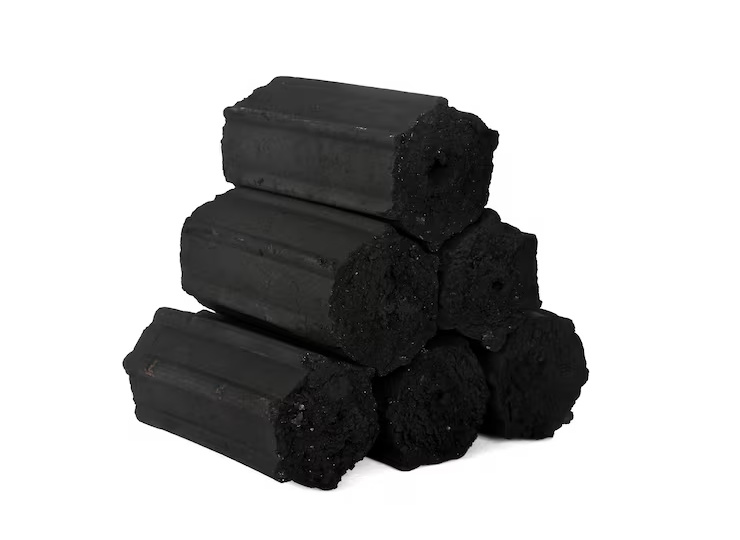
Coconut Charcoal How to Light Simple Ignition Guide
Coconut charcoal how to light properly determines heat stability and burning performance. Many users struggle with slow ignition and uneven combustion. Therefore, understanding the correct lighting method improves efficiency significantly. Moreover, proper ignition enhances heat consistency and reduces unwanted smoke.
Coconut Charcoal How to Light Step by Step
Preparation plays a crucial role before lighting coconut charcoal. First, place the briquettes on a heat resistant surface. Consequently, airflow circulates evenly around the charcoal. Next, use a reliable heat source such as a charcoal chimney or electric burner.
Distribute briquettes evenly without stacking excessively. Therefore, heat reaches all sides uniformly. Additionally, avoid overcrowding the burner surface. As a result, ignition becomes faster and more consistent.
Wait until the edges turn partially gray. Then, rotate the briquettes carefully for balanced burning. Consequently, all sides ignite evenly and completely.
Coconut Charcoal How to Light Using a Charcoal Chimney
A charcoal chimney delivers strong and concentrated heat. Fill it with coconut shell briquettes, then ignite the fire starter below. Consequently, heat rises evenly through the stack.
Allow several minutes until the surface turns fully gray. Therefore, combustion completes evenly. Avoid removing them too early to prevent smoke and odor.
Benefits of Proper Coconut Charcoal Ignition
Correct ignition directly affects heat duration and stability. Fully ignited briquettes maintain consistent temperature longer. Therefore, cooking and shisha sessions become more efficient.
Coconut shell charcoal contains high fixed carbon and low moisture. Consequently, it burns cleaner and produces minimal ash. Moreover, dense structure supports steady heat release during use.
For detailed technical information about coconut shell charcoal how to light, review professional guidance carefully. Proper knowledge reduces mistakes and improves overall performance.
Common Mistakes When Lighting Coconut Charcoal
Many users rush ignition. Consequently, charcoal burns unevenly and produces excess smoke. Therefore, allow enough time for full heating.
Avoid using half lit briquettes. As a result, flavor quality remains consistent. Additionally, never apply lighter fluid directly on coconut charcoal. This method causes chemical odors and reduces performance.
For detailed guidance on coconut shell charcoal how to light, review proper technical instructions carefully.
Why Proper Lighting Improves Performance
Correct ignition directly affects burning duration and heat stability. Fully ignited briquettes maintain consistent temperature for longer sessions. Therefore, users experience predictable cooking or shisha results.
Coconut shell charcoal contains high fixed carbon and low moisture. Consequently, it burns cleaner and produces minimal ash. Moreover, uniform density supports steady heat release.
Reliable suppliers also maintain strict production standards. At inprosocorp.com, buyers can explore product specifications and charcoal performance details. The platform provides useful insights for distributors and wholesalers. Therefore, customers make informed purchasing decisions confidently.
Furthermore, consistent lighting techniques protect charcoal structure. As a result, briquettes do not crack or break prematurely. This stability supports professional and commercial applications.
Conclusion
In conclusion, mastering coconut charcoal how to light ensures efficient ignition and stable heat output. Proper preparation and airflow improve combustion quality significantly. Therefore, users achieve consistent and reliable performance.
By using a chimney starter and avoiding common mistakes, ignition becomes faster and cleaner. Furthermore, selecting high quality coconut shell briquettes enhances durability and efficiency. Ultimately, structured lighting methods lead to better operational results and higher customer satisfaction.






Leave a Reply