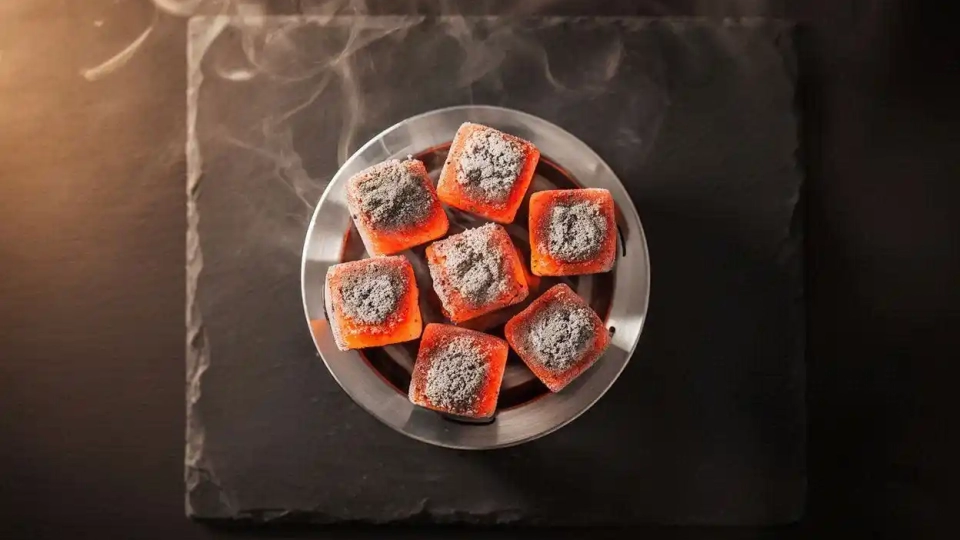
Hookah Charcoal Steady Heat Performance Guide
When it comes to enjoying a great hookah session, one factor often determines whether the experience is memorable or frustrating. Hookah charcoal steady heat performance directly affects the quality of smoke, the flavor of the shisha, and how long your session lasts. Understanding how heat consistency works will help you make smarter decisions.
Understanding Hookah Charcoal Steady Heat Performance
Steady heat performance refers to the charcoal’s ability to maintain a consistent temperature throughout a smoking session. Unlike inconsistent charcoal that spikes in heat and then drops quickly, high-quality charcoal delivers stable, even heat from start to finish.
This consistency matters more than most people realize. Unstable heat causes the shisha tobacco to burn unevenly, which produces harsh, bitter smoke instead of smooth, flavorful clouds.
How Steady Heat Performance Affects Flavor Quality
The shisha bowl is extremely sensitive to temperature changes. When heat fluctuates too much, it scorches the tobacco rather than heating it gently, and that is where flavor quality deteriorates.
Consistent heat allows the tobacco to release its natural flavors gradually and evenly. As a result, you enjoy a cleaner, more satisfying draw throughout the entire session without needing to constantly adjust the charcoal placement.
Key Factors That Influence Charcoal Heat Stability
Several factors determine whether a charcoal performs steadily and maintains reliable heat output
- Raw material quality Natural coconut shell charcoal is widely preferred because it burns longer and more evenly compared to quick-light alternatives.
- Density and compression Well-compressed charcoal maintains its structure as it burns, preventing sudden heat drops.
- Moisture content Low moisture levels ensure the charcoal ignites properly and sustains heat without unnecessary flare-ups.
- Size and shape Flat cubes or hexagonal pieces distribute heat more uniformly across the bowl surface.
When all these factors align, the result is noticeably better hookah charcoal steady heat performance session after session.
Natural Charcoal for Better Hookah Heat Consistency
Many hookah enthusiasts debate between natural and quick-light charcoal options. Quick-light charcoal is convenient since it ignites with just a lighter, but it tends to burn hotter and faster, which makes steady heat performance difficult to maintain.
Natural charcoal takes a few minutes to fully ignite using a proper burner. However, it rewards that patience with longer burn times, lower peak temperatures, and significantly cleaner smoke. For anyone who values consistent sessions, natural charcoal is the clear winner.
Shisha charcoal made from coconut shells stands out because it produces minimal ash, emits less odor, and sustains even heat for up to 60 to 90 minutes per piece.
Tips to Maximize Charcoal Steady Heat Output
Even the best charcoal needs proper management. Here are practical tips to maximize your session
- Allow charcoal to fully ash over before placing it on the bowl to prevent a harsh chemical taste.
- Use a heat management device to regulate airflow and temperature effectively.
- Rotate charcoal pieces every 15 to 20 minutes to prevent uneven burning.
- Avoid overloading the bowl, as excess tobacco restricts airflow and causes heat buildup.
For more guides on charcoal selection and hookah best practices, indobriquettescharcoal offers a range of informative articles worth exploring.
Conclusion
Hookah charcoal steady heat performance is not just a technical detail. It is the foundation of an enjoyable session. From the type of raw material used to how the charcoal is managed during use, every decision impacts your experience. Choosing natural, high-density charcoal and following proper heat management techniques will consistently deliver smoother flavor, longer sessions, and a more satisfying hookah experience overall. Whether you are a casual enthusiast or a business owner, investing in quality charcoal is always the right call.






Leave a Reply