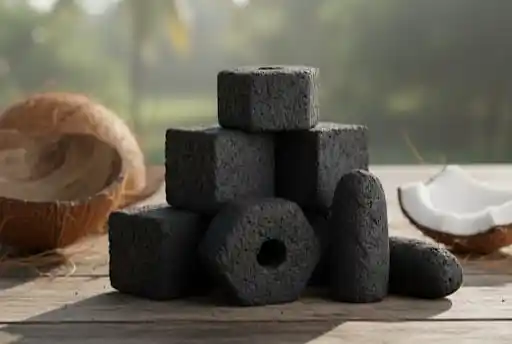
Types of coconut shell charcoal briquettes for export
Understanding the types of coconut shell charcoal briquettes for export is essential for businesses aiming to compete in the international charcoal industry. Coconut shell briquettes are widely recognized for their high calorific value, low ash content, and eco-friendly nature. For exporters who want to learn more about regulations, procedures, and requirements, a detailed guide on how to export coconut shell charcoal is available at how to export coconut shell charcoal briquette. In addition, broader insights into Indonesia’s export potential and commodity trends can be found on jacoid.com, a platform that regularly discusses export-focused industries and global market opportunities.
Types of Coconut Shell Charcoal Briquettes for Export
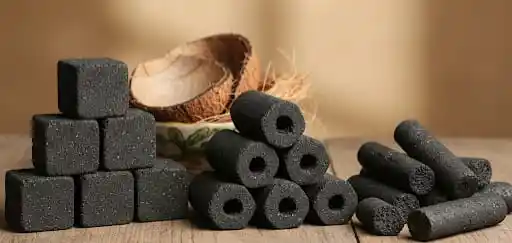
In the international market, briquettes are tailored to specific needs such as shisha, barbeque, and cooking. Understanding these differences helps exporters tailor their products to market demand. The following are the types of coconut shell charcoal briquettes commonly exported:
1. Cube Coconut Shell Charcoal Briquettes
One of the most popular products in export markets is the cube-shaped charcoal briquette. This type is mainly used for shisha or hookah, especially in Middle Eastern and European countries. Cube briquettes are favored because they burn longer, produce stable heat, and generate minimal smoke. International buyers typically require consistent sizing, smooth edges, and low moisture content to ensure premium quality.
2. Hexagonal Coconut Shell Charcoal Briquettes
Hexagonal charcoal briquettes are easily identified by the hole in the center, which helps improve airflow during combustion. These briquettes are commonly used for barbeque and grilling purposes in restaurants and outdoor cooking activities. Their strong shape and steady heat output make them suitable for cooking meat and seafood. In export markets, hexagonal briquettes are often evaluated based on ash content, burning time, and durability.
3. Finger Coconut Shell Charcoal Briquettes
Another common export product is the finger-shaped charcoal briquette. Smaller and more compact, this type is frequently used for household cooking and small food businesses. Some international buyers prefer finger briquettes because they are easy to handle, store, and package efficiently. Despite their size, they must still meet strict quality and safety standards for export.
Classification Based on Raw Materials and Production Methods
Beyond shape, coconut shell charcoal briquettes can also be classified based on raw materials and production processes. Briquettes made from 100% natural coconut shell charcoal without chemical additives are increasingly demanded in global markets. Sustainability and environmentally friendly production methods have become key factors, particularly in Europe and other regions with strict environmental regulations.
The Role of Packaging in Charcoal Briquette Exports
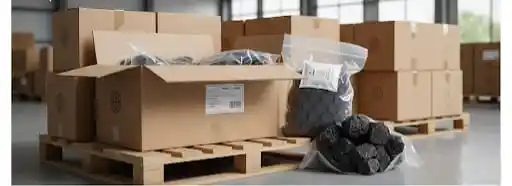
Packaging plays a crucial role in maintaining product quality during international shipping. Vacuum-sealed bags, inner plastic liners, and strong outer cartons are commonly used to protect briquettes from moisture and damage. Proper packaging not only preserves quality but also enhances product presentation and buyer trust.
Conclusion
Understanding the different types of coconut shell charcoal briquettes for export allows exporters to target the right market more effectively. By focusing on quality, selecting suitable briquette types, and complying with international standards, coconut shell charcoal briquettes can remain a competitive and high-potential export commodity in the global market.








Leave a Reply